Twisp Ponds Habitat Connectivity Improvement and Riparian Projects
Construction for the Habitat Connectivity Improvement Project will take place in late July and August 2026. Construction for the Riparian Restoration Project will take place between August and October in either 2026 or 2027
Where are these projects?
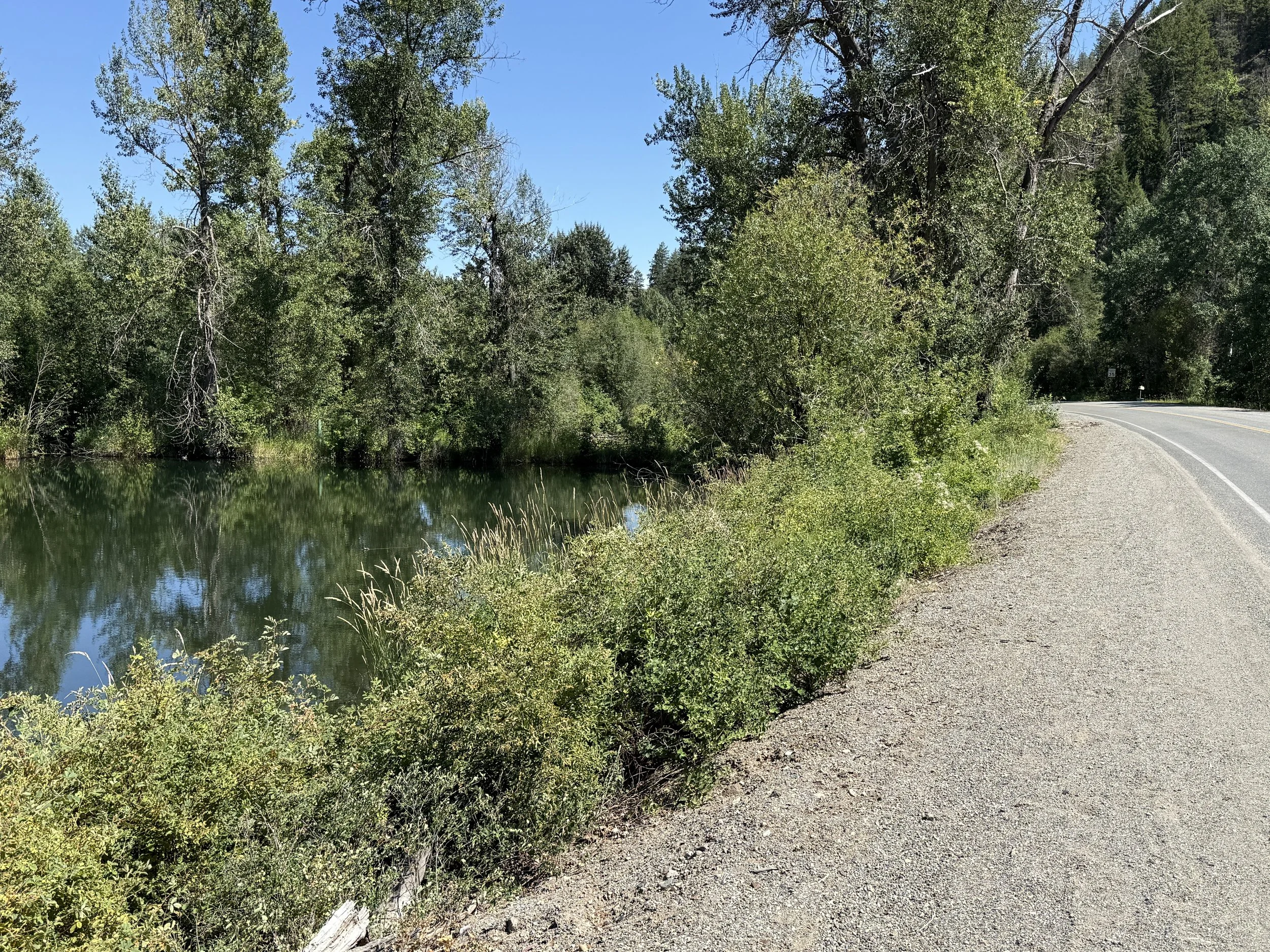
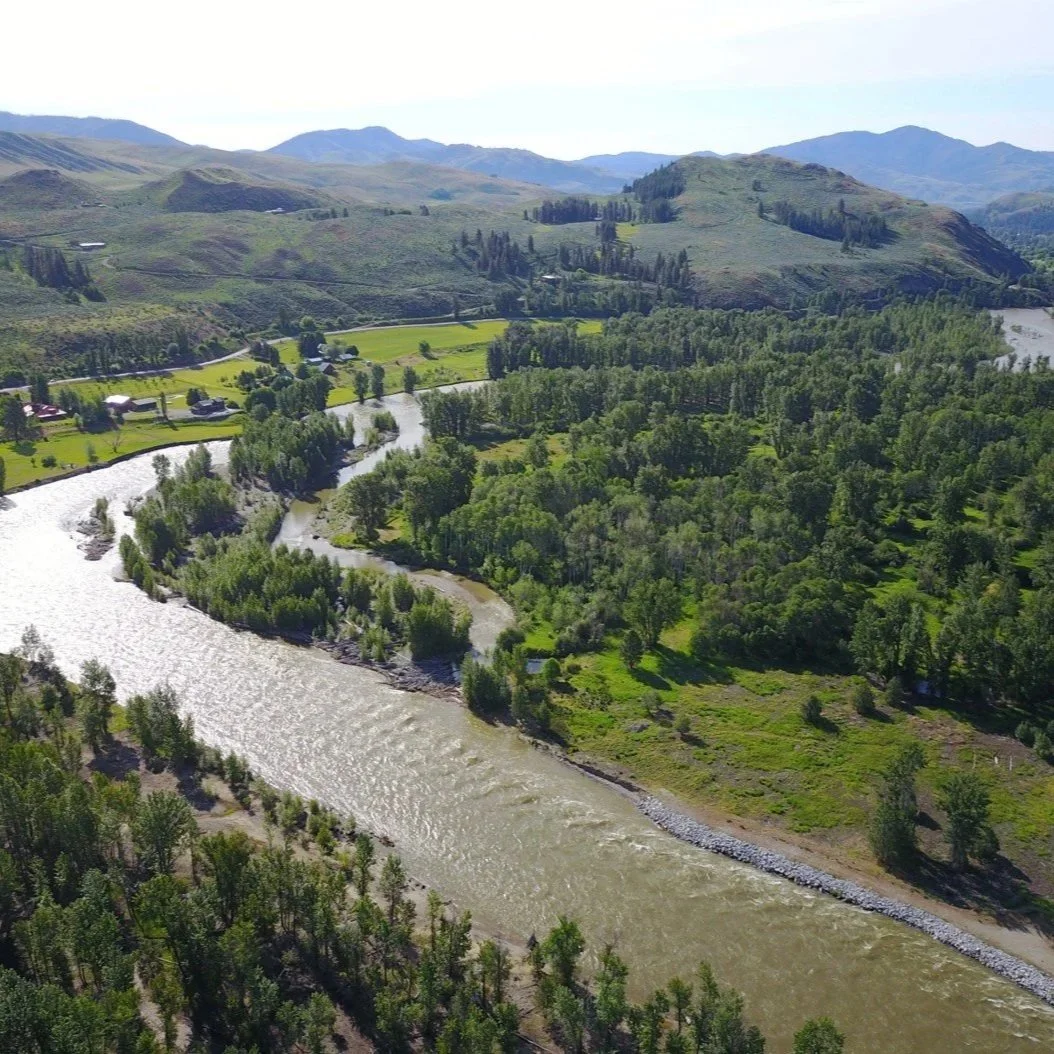
The Habitat Connectivity Improvement Project and Riparian Restoration Project are both located in a reach of the lower Twisp River known as the “Twisp Ponds”, just west of the Town of Twisp. This area has been the site of ongoing restoration actions since Methow Salmon Recovery Foundation purchased this property in the early 2000s.
Why is this project being constructed?
This reach of the Twisp River is identified as a high priority reach for steelhead and spring Chinook in the Upper Columbia Biological Strategy. Prior to Methow Salmon purchasing the Twisp Ponds, this floodplain property had been cleared and a series of ponds dug by developers looking to create residential river front home lots. Through a series of restoration actions, the site has become an off-channel system of ponds and interconnecting channels with year-round connection to the Twisp River. However, site limitations do exist, including blockages to flow, water quality concerns, and lack of instream habitat.
The Habitat Connectivity Improvement Project will address existing site limitations by:
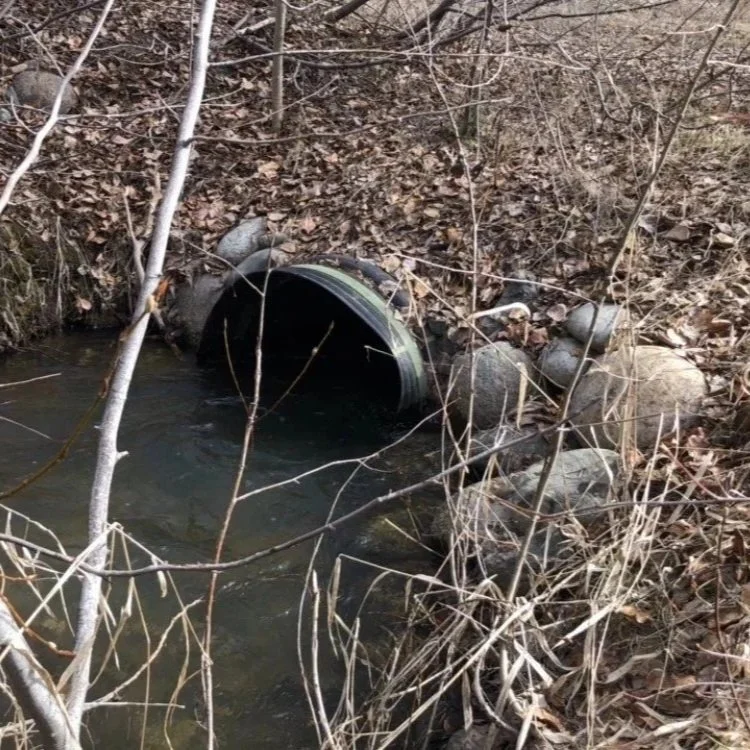
Removing three undersized culverts that impede flow, improving flow resiliency through the entire ponds system
Creating an over-flow channel to increase flow redundancy
The Riparian Restoration Project will address existing site limitations by:
Developing a buffer between the ponds and road to reduce run-off into the ponds, improving water quality
Increasing the quantity of native riparian buffer
Increasing instream pond complexity
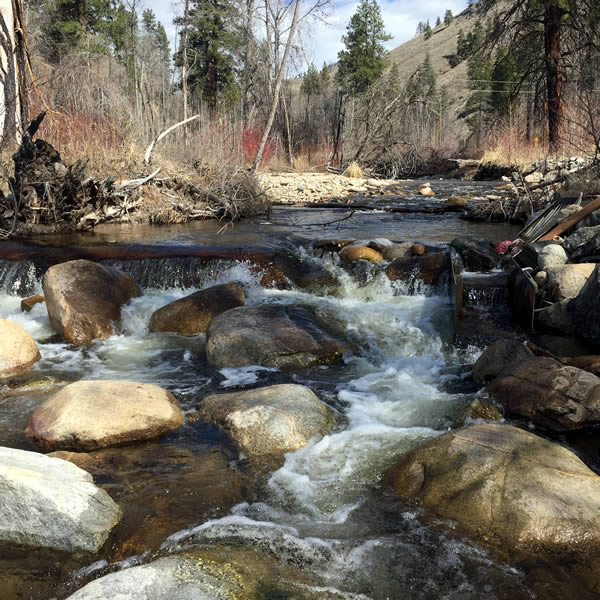
Remove a relic concrete structure from within a channel
What will this project do to address ecological concerns and improve fish habitat?
Increasing water flow resiliency through the upstream end of the ponds system will ensure reliable flow and suitable water levels for rearing juvenile steelhead, spring Chinook, and other fish species throughout the entire ponds and channels system.
IMPROVed Connectivity of Ponds and Channels
A single channel that brings water from the Twisp River into the ponds system is prone to blockage from debris and beaver damming, particularly where the channel flows through undersized culverts. When the channel is blocked, water levels within the downstream ponds and channels are reduced and fish can become stranded. The Habitat Connectivity Project will improve flow resiliency through the system by removing three culverts and by creating an overflow channel to direct water into the uppermost pond if the primary channel gets blocked.
Reducing Road Run-Off
The Riparian Restoration Project will improve water quality in the ponds by building riparian benches made of cobble, soil, and wood along the south edge of three ponds. The benches will widen the space between the ponds and the adjacent Twisp River Road, reducing run-off from the road into the ponds, in particular, tire dust containing 6DDP Quinone which is particularly toxic to some species of salmon.
INCREASED WOOD COMPLEXITY AND THERMAL REFUGIA
Wood will be layered into the constructed benches, increasing habitat complexity and cover for juvenile salmonids. Select areas along the toe of the benches will be dug deeper to provide access for juvenile fish to cooler and deeper habitat.
Riparian Planting
The benches will be planted with native trees and shrubs to increase riparian canopy cover over the ponds, provide terrestrial habitat, overhead cover for fish, and increased shade to reduce pond temperatures. This vegetation also supports aquatic food webs and water quality.
When will this project be constructed?
The Habitat Connectivity Project will be constructed in late July and August 2026.
The Riparian Restoration Project will be constructed in Fall 2026 or 2027.
Who is doing this project?
Methow Salmon will be managing the projects, hiring local and regional contractors to complete the construction. Methow Salmon prioritizes working with local and regional contractors. Contractors are encouraged to contact us to be placed on our contractor list.
Learn about other Salmon Habitat Projects

Solutions with Lasting Value